

Tax Credit vs Tax Deduction:
What’s the Difference and Why It Matters
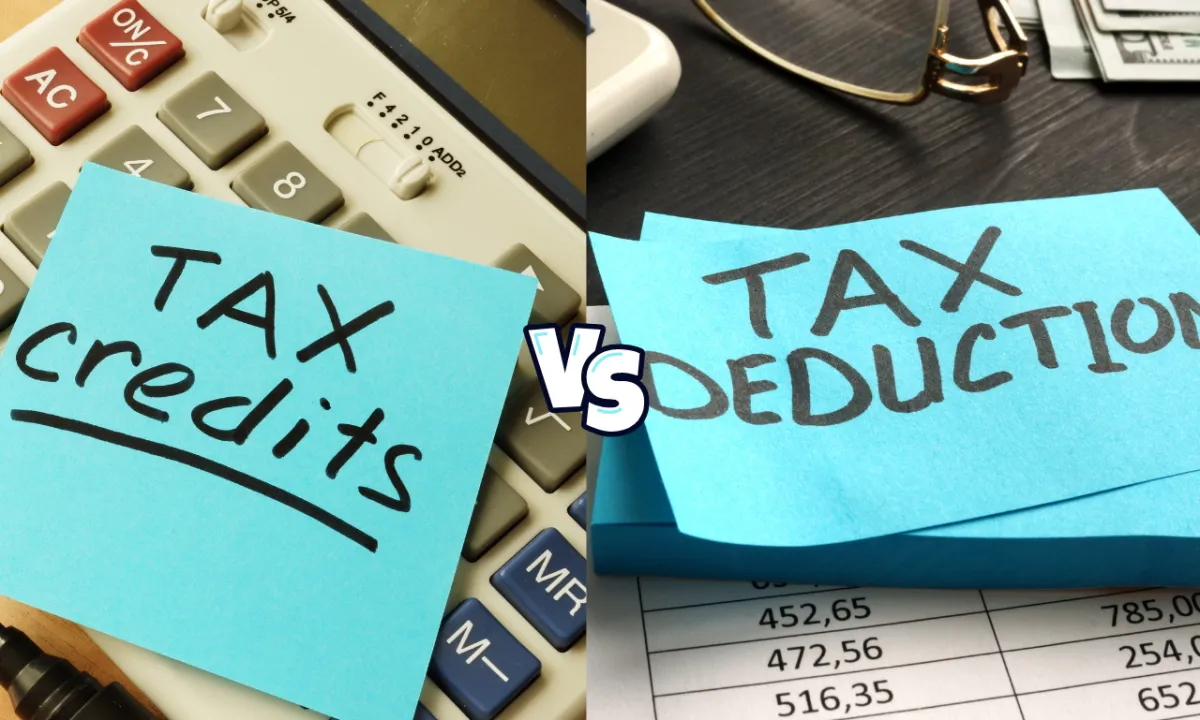
During tax season, two terms come up repeatedly: tax credit and tax deduction. They are often used interchangeably in conversation, but they are not the same. Understanding the difference can help you interpret your return more clearly and set realistic expectations.
Both can reduce what you owe, but they do so in very different ways.
What Is a Tax Deduction?
A tax deduction reduces your taxable income. In other words, it lowers the amount of income that is subject to tax.
For example, if you earn $60,000 and qualify for $10,000 in deductions, your taxable income would be reduced to $50,000.
Deductions do not reduce your tax bill directly. Instead, they reduce taxable income, and the actual tax savings depend on your marginal tax rate. For instance, a $1,000 deduction will save more for someone in a higher tax bracket than for someone in a lower bracket.
Common examples of deductions include:
Mortgage interest
Charitable contributions
Certain business expenses
Student loan interest
The value of a deduction varies based on individual circumstances.
What Is a Tax Credit?
A tax credit directly reduces the amount of tax you owe.
If your calculated tax liability is $5,000 and you qualify for a $1,000 tax credit, your tax bill is reduced to $4,000.
Unlike deductions, credits reduce tax dollar for dollar. This makes them easier to understand in terms of impact.
Examples include:
Child Tax Credit
Education-related credits
Certain energy efficiency credits
Some tax credits are refundable, meaning they may result in a refund even if your tax liability is low. Others are nonrefundable or partially refundable. The specific rules depend on the credit.
Why the Difference Matters
The difference between a deduction and a credit matters because expectations matter.
Many people assume that any deduction or credit will significantly increase their refund. In reality, the impact depends on the type of adjustment, income level, filing status, and other factors.
Understanding whether something reduces taxable income or directly reduces tax owed helps you interpret your return more accurately.
Setting Realistic Expectations
Not every deduction or credit produces a dramatic change in the final result. The overall effect depends on your complete financial picture.
Clear explanations reduce confusion and prevent disappointment during tax season. When you understand how deductions and credits function, your tax return becomes easier to interpret.
At Postema Accounting Solutions, we believe good accounting includes helping clients understand what these terms mean and how they apply to their specific situation.
Want a Clearer Understanding of Your Return
If you’re worried about owing this year, unsure about your withholding, or simply want a second set of eyes on your information, we’re here to help.
Have questions about your taxes or want to avoid surprises this year? Contact Postema Accounting Solutions to get started.
Postema Accounting Solutions is
here to meet your individual and
small business tax preparation as
well as your small business
accounting needs.
Follow Us


Contact Us
2014 Baltimore Street
Defiance, OH 43512
Office Hours:
Monday — Friday
9:00am – 5:00pm
Evenings and Weekends By Appointment
Postema Accounting Solutions is here to meet your individual and small business tax preparation as
well as your small business accounting needs.
Follow Us